
Skill development goes far beyond listing out what you can do on your resume or LinkedIn profile. Skill development is about continuously learning; adopting a curious mindset; and approaching situations at work, school, or in life more generally as opportunities to practice your abilities and achieve better outcomes.
And it’s never been more important to upskill than today. “We are in an era of ‘what got you here, won’t get you there,'” explains David López associate dean of the Full-Time MBA at Esade Business School.
“Emerging technologies, shifting business models, and evolving consumer demands are reshaping industries at an unprecedented pace. The professionals who succeed in the next decade will be those who commit to lifelong learning,” he says.
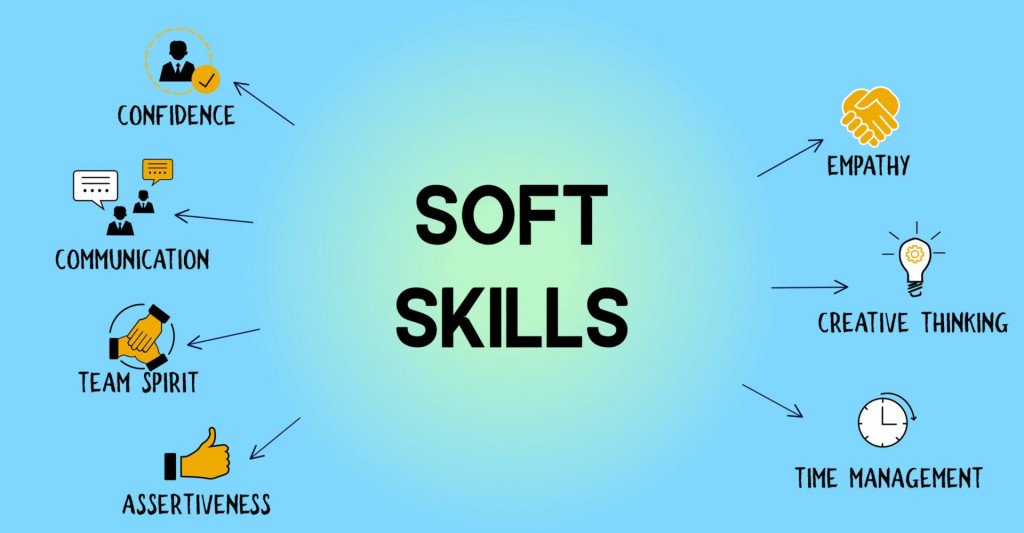
Committing to lifelong learning means developing skills in areas that are coming to define how we work. That includes both technical ‘hard’ skills and those ‘soft’ skills that come with working alongside others.
“Advancing technical skills is now essential for job security—those who don’t adapt will be left behind,” says Tanya Forrest, deputy head of careers education and coaching at Lancaster University Management School.
“Automation and AI will impact jobs, so professionals must stay ahead to remain relevant. While technical skills are crucial, soft skills like collaboration, team building, and fostering trust in hybrid work cultures are equally important,” she adds.
If the continued growth of technologies like generative AI and machine learning is making you anxious, there’s no need to panic. According to the 2025 Future of Jobs report by the World Economic Forum (WEF), there’s high demand from employers for skills in emerging technologies, as well as smart skills like creative thinking and resilience and agility. So, jobseekers who are quick to learn, develop, and master these skills will have a much higher chance of success.
What are my Options for Skill Development?
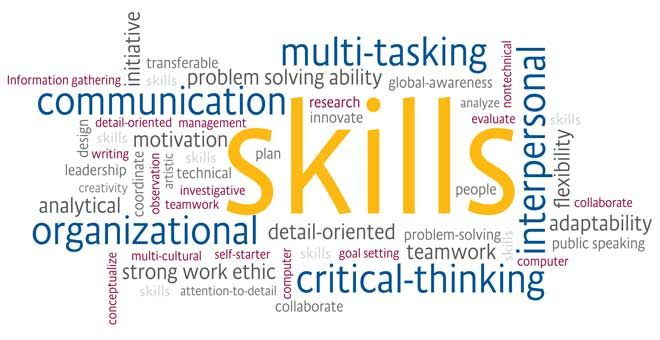
There are many ways to add to your arsenal of skills, no matter how you prefer to learn. To get started, try out some of these strategies to develop your skills and set yourself up for professional success.
1. Audit Your Skills to Identify Skills Gaps
Before you hit the books, it’s important to first take the time to understand the skills you have already mastered—and crucially, what skills you might be missing.
Start by listing down which skills you practice every day, month, and quarter. Use sources like your resume, LinkedIn, performance reviews, employer feedback, recommendations, and testimonials from people you’ve worked with to pull out what your key strengths are (they may not be immediately obvious, even if you excel in them) and additional skills that might require more work.
2. Explore Online Learning and Certifications
Online short courses and professional certifications—available through platforms like Coursera, LinkedIn Learning, edX, Google Career Certificates, and Udacity—can help you learn technical and business skills while also gaining certifications in high-demand areas such as AI, data analytics, cybersecurity and leadership.
Massive Open Online Courses (MOOCs) are an affordable (and sometimes free) option if you’re seeking to learn a particular topic and desire a shorter time commitment. The flexibility of MOOCs allows you to upskill at your own pace and choose your learning pathway, plus the breadth of topics makes MOOCs a good option to develop your skills.
3. Pursue Higher Education
If you’re committed to gaining deep knowledge in a particular area or transforming your career either in a new field or at a more advanced level, a higher education degree such as an MBA or business master’s could be the right option for you.
MBA and business master’s programs provide a structured, immersive learning experience with a strong academic foundation. Degree programs are highly valued by employers, recognized for the leadership, strategy, and cross-functional expertise they provide.
Studying at business school also means you’ll gain networking opportunities with industry leaders, alumni, and recruiters, while also building connections with your fellow classmates.
4. Seek Mentorship and Expand Your Professional Network
Another way to grow your skills is by taking on a mentor within your industry who can provide specific guidance on your skill development and career growth.
With a seasoned expert in your field assisting you, a mentor can provide real world advice and access to resources, invest in your development, and share feedback and industry connections with you.
It can take time to find the right mentor and the process requires time commitment from both sides, as well as clear alignment on expectations from the outset. Formal mentoring programs through your university or workplace can help provide the necessary structure to maximize impact.
5. Learn on the Job
Lastly, your skills are best honed when they’re practiced. By applying skills practically at work, through side projects or even volunteering, you can develop skills quickly and effectively.
Corporate training programs, a job rotation or secondment, and internal upskilling initiatives are valuable ways to pick up new skills or deep dive into a particular skill area. By learning new skills at work, your training is likely directly aligned with your job responsibilities and company needs, you could also gain sponsorship from your employer.
Depending on the training you opt for, however, the certification or subject area may not be transferable outside of your current remit or organization.
Why learning a new skill matters more than you think

Learning a new skill involves building a reliable new ability through structured practice, feedback, and repetition. Here are the top reasons why it is important to learn new skills:
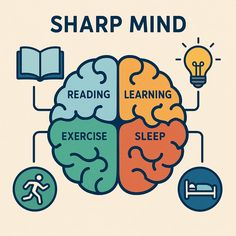
- It keeps your brain sharp
Every time you take on something unfamiliar, your brain forms new neural connections. Consistently learning new things is one of the most well-supported approaches to maintaining cognitive health over time.
- It builds your career adaptability
On the career side, the world changes with lightning speed. In 2026, professional development is about being adaptable. Using LinkedIn to show off new certifications or mentioning a unique skill set in an interview makes you stand out.
- It gives you real confidence
That psychological payoff extends beyond the skill itself. Learners who commit to consistent self-improvement tend to report stronger self-efficacy — a belief in their ability to figure things out — across other areas of their lives, too. It compounds.
- It makes conversations more interesting
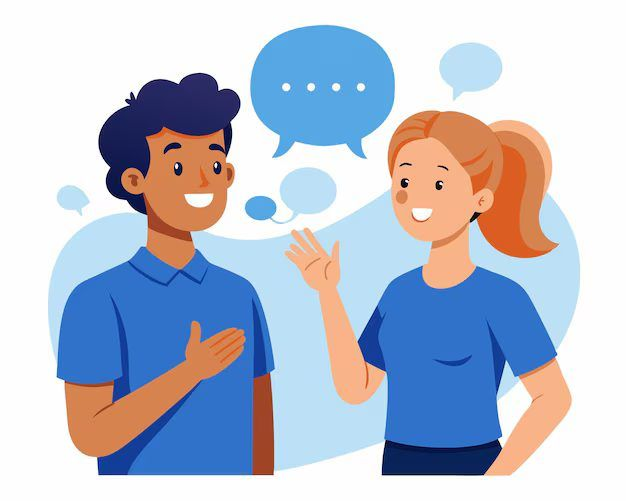
Feeling engaged and knowledgeable in a discussion is one of the more concrete, everyday payoffs of investing in your skill development. It’s also, frankly, more fun than pretending to know things you don’t.
- It fosters a positive mindset
Growing your capabilities has massive psychological perks. When you learn new skills, your brain releases dopamine, and you end up happier and more confident in social settings. It keeps your mind active and prevents that ‘stagnant’ feeling.
What Are New Skills To Learn For Professionals?
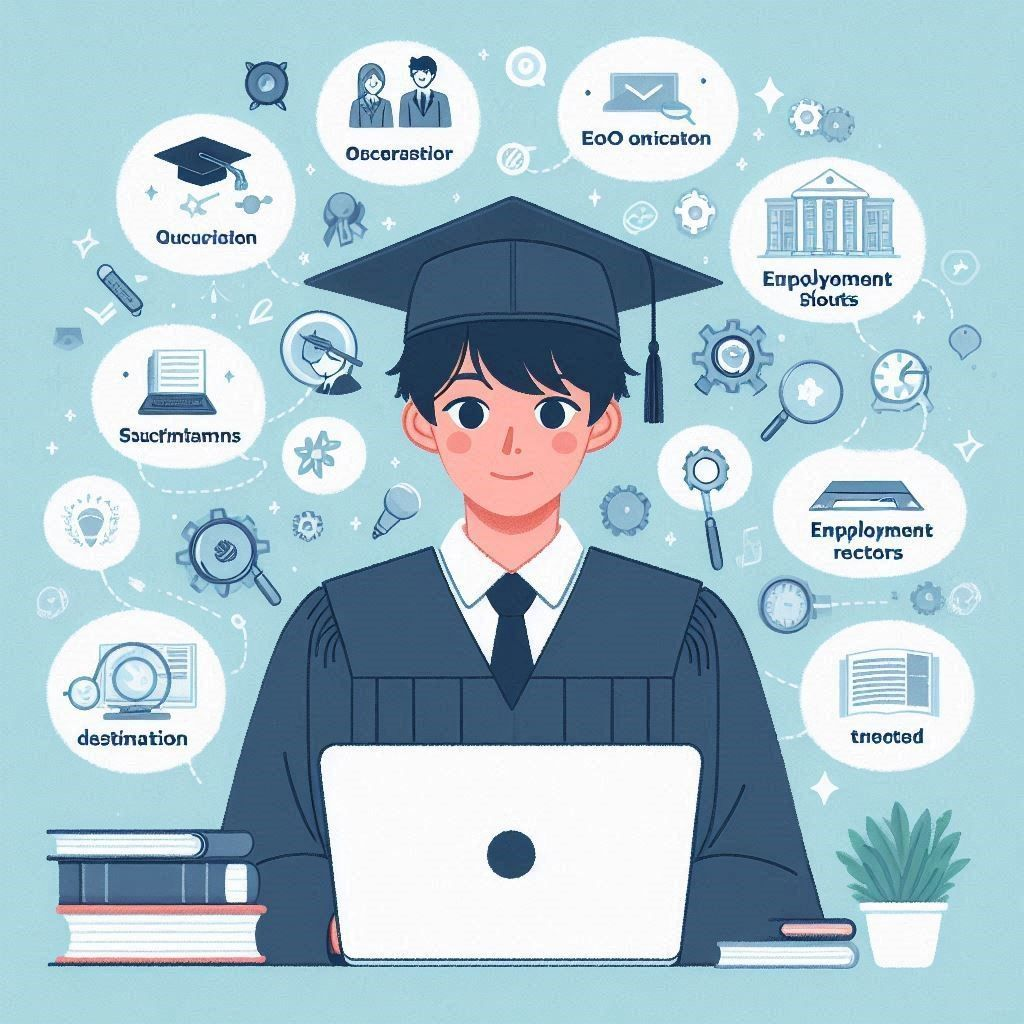
New skills to learn refers to selected skills that can help one progress in their career and perform their duties with better efficiency.
Learning new skills can put one in a position to undertake more responsibilities and advance professionally.
Active efforts to learn new things can show the employer that you are open to gaining more knowledge and emphasize your commitment to your career.
These additional skills may also lead you toward new career opportunities with better prospects.
How To Learn New Skills
Below are steps to gain new skills as a professional:
1. Identify new skills to learn
It is important to list down various new skills that can help you advance in your career. Assessing your current job duties can help you determine the skills you can learn to perform better. If you are looking for a new role or opportunity, evaluate the important skills required for this role.
2. Set specific learning goals
For a particular skill, set a specific goal you want to achieve initially. Breaking up skills into multiple smaller sub-skills can ease your efforts and make the goal seem achievable. It is important to set quantifiable goals along your learning journey to ensure motivation and continuous progress.
3. Focus on a single skill at a time
Always work on gaining one skill at a time to ensure you remain focused. Working on multiple skills simultaneously can cause you to lose motivation and delay the learning process. Setting a single achievable goal can enable better learning, ease stress levels and facilitate better memory retention.
4. Identify key barriers to learning
It is important to assess your progress regularly and identify any hindrances to your learning efforts. As different individuals have different learning styles, it is important to find out the learning techniques you enjoy and implement them accordingly. This can help you gain the skill significantly faster.
5. Build a network
A great way to keep yourself updated and informed about your skills is through networking. Collaborate with like-minded people who share similar skill-based interests. Being a part of a network allows you to take part in open discussions and forums, which can help you update yourself on the latest industry developments.
Why is it important to learn new skills?

I could write an entire article devoted to this question, but that’s not why you’re here. But if you’ll entertain me, here are three of the most compelling reasons why it’s important to learn new skills.
- Brain fitness. Learning a new skill is like a workout for your brain. It
- strengthens neural connections
- and can even help form new ones, which supports memory, problem-solving, and overall cognitive function.
- Career flexibility and advancement.
- Picking up new skills—whether technical, creative, or
- interpersonal
- —helps you adapt to industry shifts, take on new roles, or pivot to entirely different careers. For example, taking an
- AI course
- can help you stay current as AI reshapes industries across the board. It also shows employers that you’re
- committed to your professional development
- , which can open doors to promotions, leadership roles, and new opportunities.
- Confidence boost. Learning something new usually means stepping out of your comfort zone and pushing past any self-doubt. Even the act of trying can build a sense of pride and accomplishment—and that confidence often carries over into other areas of life.
Why skill development matters for frontline employees
The pace is quick on the frontline and the demands are high. Employees need to think on their feet, work with diverse teams and interact with customers—all while navigating shift changes, tech updates and evolving policies. That’s where ongoing development and communication skills make a real difference.
With the right support, frontline workers can:
- Build confidence in their roles
- Stay motivated and engaged
- Prepare for leadership opportunities
- Reduce errors and improve customer satisfaction by implementing critical thinking skills
And yet, The Deskless Report 2024 revealed that many frontline managers feel their training needs aren’t being fully recognized by company leadership. Executives tend to underestimate the value of training in key areas like conflict resolution, leadership development and emerging technologies—including AI. In fact, 56% of managers say they want more cross-training and upskilling opportunities.
That gap is more than a stat—it’s a call to action. When frontline employees and managers get the skill development they actually need, performance, retention, and morale all go up.
FAQ’s
1. What is skill development?
Skill development is the process of learning and improving abilities that help you perform better in your personal, academic, or professional life.
2. Why is skill development important?
Skill development improves confidence, productivity, career opportunities, and your ability to adapt to changing demands.
3. What are the best skills to develop?
Communication, problem-solving, leadership, time management, digital skills, creativity, and teamwork are valuable skills to develop.
4. How can I start developing a new skill?
Choose one skill, set a clear goal, learn the basics, practice regularly, and track your progress.
5. How long does it take to learn a new skill?
The time varies depending on the skill, your experience, and how consistently you practice.